On a rainy January evening in 2026, Ren, a lapsed console player with a new PC and an old habit of buying games he never finished, decided to spend nothing for a month. He made a simple rule: every title had to be free to start, and every hour had to earn its place. What began as a budget experiment turned into a tour through the strangest, loudest, and most generous corner of modern gaming. By the end of the month, he had battled in neon arenas, solved a nightmare disguised as a dating sim, and drifted through a city of wishes in a dress that doubled as a toolkit. The free-to-play scene in 2026 is not a single shelf; it is a crowded arcade with the lights left on.
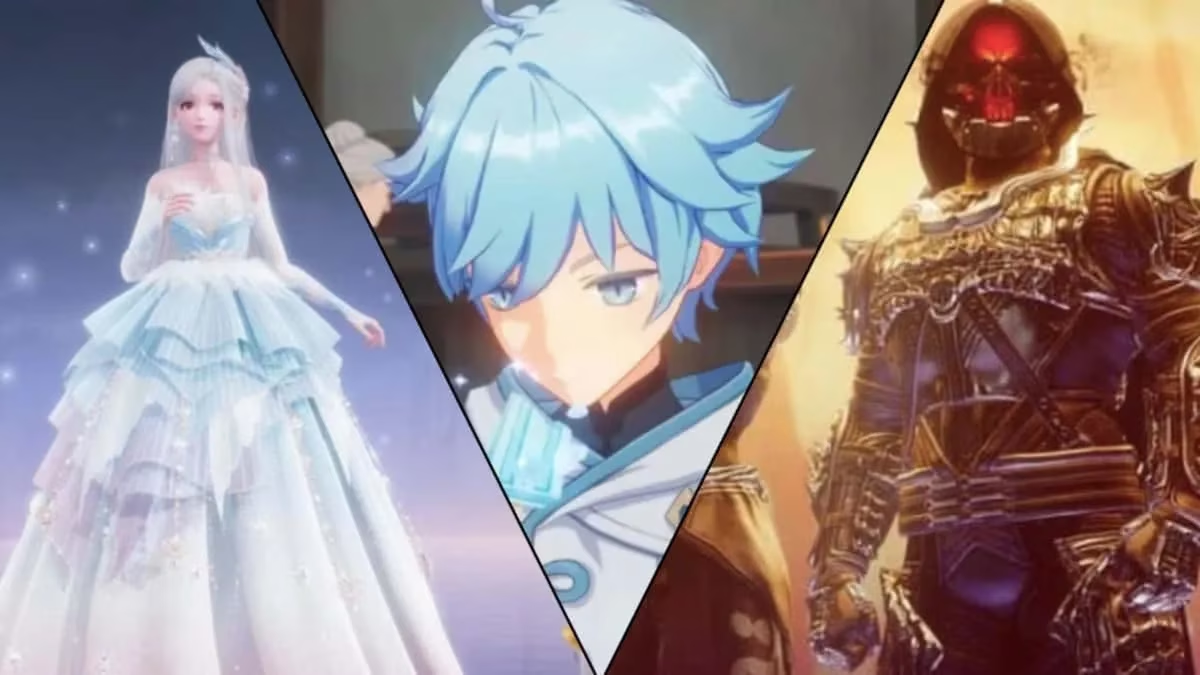
The first rule of 2026: free does not mean shallow
Ren learned quickly that the best free games survive because they offer a clear emotional promise. Apex Legends promised squad-based chaos and delivered fluid movement, distinct Legends, and gunplay that made every slide feel like a small victory. Brawlhalla promised a party fighter and delivered cross-platform brawls with pop-culture guests, so Ren and his friend could argue over who got Ezio without worrying about hardware. Counter-Strike 2 promised pure competition and delivered a tactical shooter so sharp that Ren's reflexes filed a complaint.
Then came the detour. Doki Doki Literature Club looked like a harmless dating sim, and Ren almost skipped it. That would have been a mistake. The game's cute surface is a trap, and the psychological horror underneath is brutal, disturbing, and best experienced blind. He finished it in one sitting, then sat in silence for ten minutes. Not every free game is comfort food; some are a haunted house with the door already locked.
A table for the indecisive
| Game | Genre | Why Ren kept it installed in 2026 |
|---|---|---|
| Apex Legends | FPS battle royale | Legend abilities and movement make squad fights feel distinct |
| Brawlhalla | Fighting | Cross-platform brawls with a huge pop-culture roster |
| Counter-Strike 2 | Tactical shooter | Pure competitive tension and esports pedigree |
| Doki Doki Literature Club | Psychological horror | A dating-sim mask over a genuinely disturbing story |
| Dauntless | Co-op action RPG | Monster Hunter-lite loop; check service status before diving in |
| Destiny 2 | Looter shooter | Satisfying FPS combat and weekly loot chases with friends |
| DOTA 2 | MOBA | Deep hero pool and ranks that reward hundreds of hours |
| Fortnite | Battle royale | Constant crossovers and modes that keep the map alive |
| Genshin Impact | Open-world RPG | Teyvat exploration, team building, and rotating banners |
| Girls' Frontline 2 | Tactical RPG | Grid-based battles and a growing roster of Dolls |
| Honkai Star Rail | Turn-based RPG | Sci-fi story, colorful crew, and tactical turn-based fights |
| Infinity Nikki | Cozy action adventure | Outfits as abilities, fishing, and a gentle open world |
| Marvel Rivals | Hero shooter | Iconic heroes, seasonal updates, and five modes |
| Rocket League | Sports | Cars plus soccer, with a famously high skill ceiling |
| Valorant | Tactical shooter | Agent powers and 5v5 rounds that reward discipline |
| Warframe | Third-person shooter | Space ninjas, open-world segments, and ship battles |
The table became Ren's menu, but the real story was in the moods. Destiny 2 was the Tuesday-night game, the one he played with friends while chasing loot and waiting for Xur. DOTA 2 was the game he admired from a distance, the way one admires a mountain. Fortnite was the game he loaded when he wanted noise, color, and the strange joy of watching Dragon Ball characters share a screen with pop stars. Genshin Impact was the game he played when he wanted to wander, build a team, and ignore the clock. Girls' Frontline 2 appealed to his inner tactician, while Honkai Star Rail gave him a turn-based sci-fi story with a crew worth following.
The cozy, the competitive, and the chaotic
Infinity Nikki arrived like a deep breath. Ren fished, collected outfits, and learned that fashion could be a mechanic rather than a decoration. It was the rare free game that did not demand adrenaline. Marvel Rivals, by contrast, demanded everything at once. The hero shooter's roster was broad enough that Ren could find a favorite, and the seasonal rhythm kept matches feeling like part of a larger event. Rocket League stripped football down to cars and then added a skill ceiling tall enough to scrape the sky. Valorant made him slow down, hold angles, and respect the economy of a round. Warframe, meanwhile, felt like a universe that had kept growing while he was away: space ninjas, open-world segments, ship-to-ship battles, and storylines woven through years of lore.
By the end of the month, Ren had not spent a penny, but he had spent something more valuable: attention. He learned that free-to-play is not a genre. It is a business model that can host generosity and pressure in the same breath. The games that earned his time were the ones that let him choose his own pace, whether that meant a tense round of Valorant or a quiet evening in Miraland.
The 2026 watchlist still had names on it. Path of Exile 2 carried the promise of a full free-to-play ARPG for players who love build experiments and demon-filled chaos. Ananta, the urban open-world gacha once known as Project Mugen, remained intriguing for its subway-and-skyscraper setting and its anime-GTA energy. Ren added both to a list he titled later, which is the most honest list a gamer can keep.
On the last night of his no-spend month, he opened his library and realized the joke was on him. He had started with nothing and ended with too many options. That, perhaps, is the real 2026 free-to-play story: the price of entry is zero, but the best games still ask for curiosity, patience, and a little bit of nerve. 🎮