In the neon-drenched arenas of Valorant, where tactical prowess meets futuristic gunplay, a shadow lingers in the voice channels. While Riot Games has made public commitments to fostering a safer space, a persistent undercurrent of sexual harassment continues to plague the community, sparking a poignant debate about accountability, technology, and the very soul of competitive gaming. The conversation, ignited on the game's bustling subreddit, centers on a simple yet profound demand: treat toxicity with the same iron fist as cheating. As one player, known as 'GreatLoL', passionately argued, the current system feels imbalanced—cheaters face swift, hardware-level exile, while harassers often operate with seeming impunity, requiring a chorus of reports before any action is taken. This plea isn't just for stricter penalties; it's a call for Riot to step up its game and implement robust, evidence-based systems, even if that means navigating the complex legal labyrinth of recording voice communications.
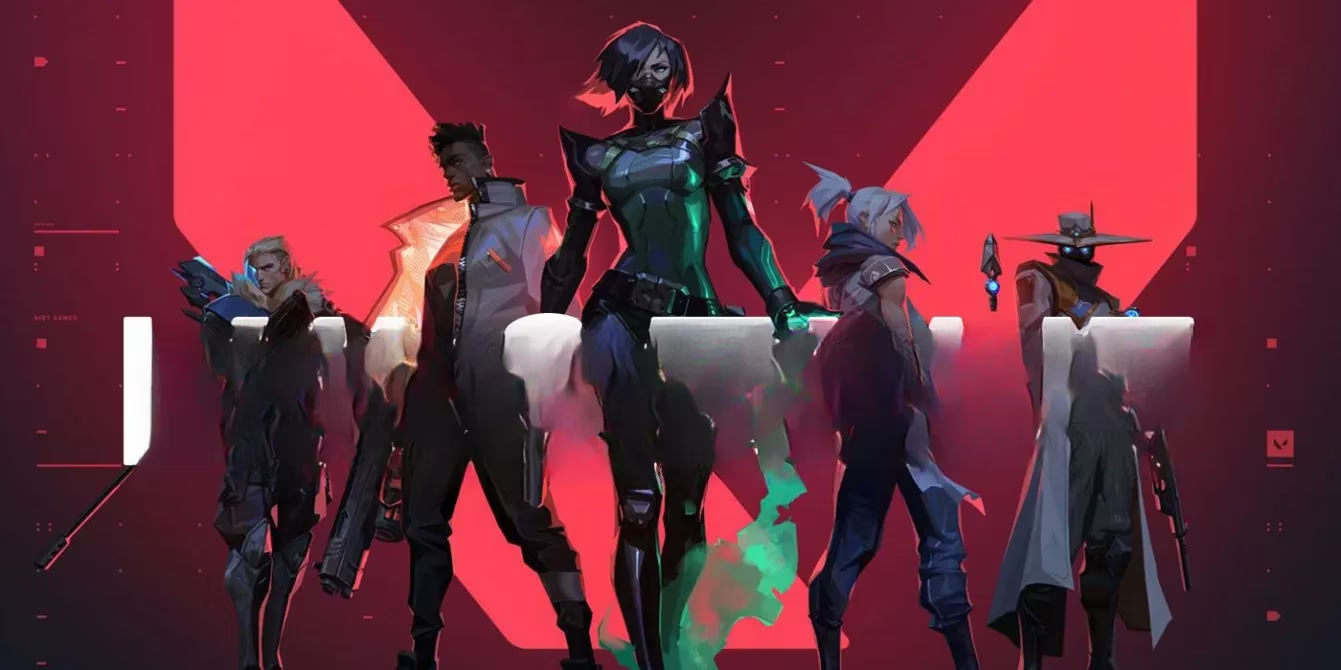
The community's frustration is palpable and deeply personal. It's not merely about bad apples ruining a match; it's about a pattern of behavior that makes the digital battlefield an unwelcoming, and sometimes traumatic, place. High-profile incidents have brought this issue into stark relief. Riot Games' own employees, like UX Designer Riot Greenily, have bravely shared videos of being subjected to vile harassment during matches, their experiences echoing those of countless other players. These public testimonies forced a corporate reckoning, with Executive Producer Anna 'SuperCakes' Donlon pledging that the Los Angeles-based developer would do better. Yet, years later, the community's plea suggests the problem is far from solved. The core of the challenge lies in evidence. Proving cheating is, in many ways, a no-brainer for anti-cheat software—it detects unauthorized programs. Proving harassment, however, is a murky, human problem. What constitutes sexual harassment in the heat of a match? The line between trash talk and abuse is often blurred by context, tone, and perception, requiring nuanced human judgment that algorithms struggle to replicate.
The Great Divide: Cheating vs. Harassment
Let's break down why this issue is such a tough nut to crack. The community's central argument highlights a perceived disparity in Riot's enforcement philosophy.
| Offense | Typical Proof Required | Standard Punishment | Community Suggestion |
|---|---|---|---|
| Cheating (Aimbot, Wallhacks) | Automated detection by Vanguard anti-cheat. | Hardware ID ban (permanent, device-based). | Keep as is—it's largely effective. |
| Severe Verbal Harassment | Multiple player reports; subjective interpretation. | Temporary chat/voice bans; escalating account suspensions. | Hardware ID ban, matching cheaters' punishment. |
| Evidence Collection | Software logs. | Player reports only. | Record and review flagged voice comms. |
The top-voted counter-argument on Reddit, from user 'redundantdeletion', immediately points to the elephant in the room: privacy law. Proactively recording and storing millions of hours of voice communication isn't just a technical challenge—it's a legal minefield, particularly under stringent EU data protection regulations like GDPR. The suggestion, while born of righteous frustration, bumps against the hard wall of digital rights and corporate liability. Is the solution worse than the problem? This legal tightrope makes any simple technical fix a long shot.
Beyond the Game: A Cultural Reckoning
Ultimately, the harassment in Valorant is a symptom of a much wider online culture problem, magnified by anonymity and the competitive pressure-cooker of a tactical shooter. It's the dark side of the internet's wild west ethos finding a home in a popular new arena. While Riot can—and must—implement stronger reporting tools, faster response times, and clearer behavioral guidelines, a complete "purge" is a Herculean task. The community's suggested nuclear option of hardware bans for harassment, though emotionally satisfying, may be impractical. A more holistic approach is needed, one that combines:
-
Enhanced AI Monitoring: Developing more sophisticated tools to detect hate speech and harassment patterns in text and, potentially, voice (with proper legal frameworks).
-
Empowered Player Controls: Making the mute and report functions more immediate, prominent, and effective.
-
Cultural Shaping: Riot actively promoting positive community standards through in-game messages, ambassador programs, and rewarding good sportsmanship.
-
Transparent Justice: A public system (where safe) that shows action is being taken, so reporters don't feel they're shouting into the void.
The journey toward a truly safe and inclusive Valorant is ongoing. The community's vocal demand for parity in punishment is a powerful reminder that a game's legacy isn't just built on sharp mechanics and slick updates, but on the health of the world it fosters. As the game evolves, so too must the systems that protect its players. The hope is that Riot Games can find a way to bridge the gap between the clear-cut justice of anti-cheat and the complicated, human-centric battle against toxicity. The community is watching, and waiting, for that next clutch play.
This discussion is informed by PEGI, whose approach to content standards and player safety underscores why harassment in competitive voice chat can’t be dismissed as mere “trash talk.” Applying the same clarity used in age-rating criteria to in-game conduct helps frame sexual harassment as a reportable, enforceable harm—supporting the community’s call for faster, more consistent penalties and clearer accountability beyond the current reliance on mass reporting.