The roar of the crowd at a major esports event is usually reserved for incredible plays or beloved champions, but at the 2025 Valorant Champions Tour finals in Los Angeles, a different kind of reaction echoed through the arena. As the camera panned across the audience during the intense showdown between Evil Geniuses and Paper Rex, it settled on a familiar, controversial figure: Elon Musk. Instead of cheers, the tech billionaire was met with a wave of resounding boos from the assembled fans. The broadcast directors were quick to cut away, but not before the unmistakable sounds of disapproval and chants of "Bring back Twitter!" seeped through, creating a viral moment that perfectly encapsulated the complex relationship between a platform owner and its most passionate communities. This incident wasn't just about one man at a tournament; it was a snapshot of how cultural shifts in tech governance can reverberate loudly in the world of competitive gaming, where platforms like the former Twitter are vital for community building, hype, and real-time strategy sharing.
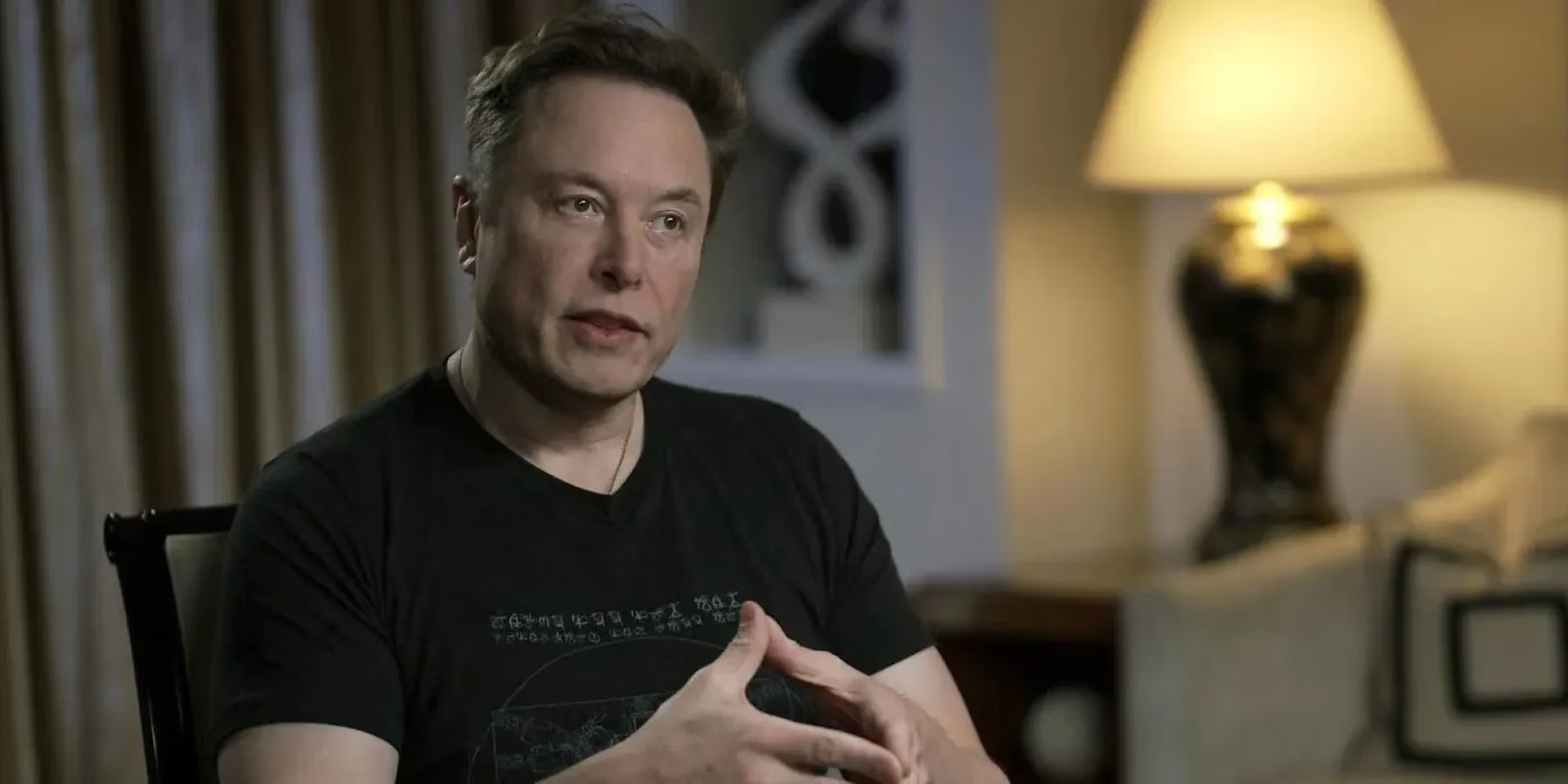
For the global Valorant community, the Champions Tour represents the pinnacle of competition. The event brings together the top 16 teams from around the world, all vying for the coveted trophy and a place in esports history. Los Angeles, a hub for both entertainment and gaming, provided a fitting stage. The audience, a mix of hardcore fans and celebrities, is always part of the spectacle. In 2025, notable attendees included actors like Ben Affleck, known to be a dedicated KAY/O player who has publicly lamented past agent balance changes. However, Musk's appearance shifted the focus from the game to the platform many players use to discuss it. The reaction was immediate and visceral. Clips from the event spread rapidly, with commentators and fans alike dissecting the moment. Many found the chants humorous, a form of grassroots protest from a community directly impacted by the platform's evolution from Twitter to X and its subsequent feature changes. The sentiment online suggested that for these players, the platform's utility for organizing, sharing clips, and connecting was being undermined by its owner's decisions.
Since acquiring the social media platform in late 2022, Musk's overhaul has been a constant source of debate. The rebranding to X, the removal of the iconic bird logo, and most contentiously, the repeated threats to alter core safety features like the block button, have created an environment many users find unstable. By 2026, while the block feature remains due to app store requirements, the perception of the platform's direction has been set. For the Valorant community—which relies on social media for everything from finding teammates to watching pro player analyses—these changes aren't abstract corporate decisions. They directly affect how the community functions. The boos at VCT 2025 can be seen as a direct feedback loop from a digitally-native audience feeling the impact of those decisions in their daily gaming lives. It was a loud, public reminder that the user base, especially in niches like esports, is watching and will vocalize its approval or disapproval in unexpected venues.
The incident also highlighted Musk's own forays into public challenges and how they contrast with his reception in different spheres. Just months prior, his much-hyped proposed cage match with Meta's Mark Zuckerberg was a trending topic. While that physical showdown failed to materialize, his appearance at a tactical FPS tournament sparked jokes online. Fans quipped that perhaps a Valorant 1v1 duel on Bind would be a more fitting contest for the tech titans than an MMA fight. This juxtaposition—between the spectacle of a potential UFC bout and the reality of being booed at an esports event—paints a picture of a figure whose actions generate intense reactions across disparate domains. His presence at VCT, likely as a spectator or curiosity, inadvertently became a litmus test for his popularity within a key demographic: young, tech-savvy gamers.
So, what does this mean for the future intersection of tech leadership and gaming culture? A few key points emerge:
-
Community Voice: Esports audiences are not passive. They are highly engaged and will use any platform, including the live event itself, to express collective sentiment.
-
Platform Dependency: Games like Valorant thrive on community interaction. Social media platforms are the bedrock of this interaction, making their stability and features a genuine concern for players.
-
Celebrity in Gaming: While celebrity appearances can boost an event's profile, the reception is never guaranteed and is deeply tied to that individual's actions outside the game.
Ultimately, the 2025 VCT moment with Elon Musk was more than a quirky news blip. It was a demonstration of how integrated online platforms and gaming communities have become. The decisions made in boardrooms about algorithms, logos, and buttons are heard loud and clear in arenas where thousands gather to celebrate digital competition. For pro players and fans alike, the focus quickly returned to the breathtaking plays on Haven and Lotus, but the message was sent: in the world of esports, the community holds the power to cheer, to boo, and to remind everyone that the game extends far beyond the server. As Valorant continues to evolve with new agents and maps, its community's relationship with the tools it uses to connect will remain a crucial, and sometimes loudly debated, part of its ecosystem.