The gaming landscape in 2026 continues to be shaped by standout titles that capture the imagination of players worldwide. Among these, Riot Games' venture into the competitive first-person shooter arena remains a significant topic of discussion. A few years ago, the studio launched Valorant as a free-to-play PC title, and its polished, strategic gameplay immediately drew attention. While the core experience was firmly rooted on PC, questions about a potential expansion to other platforms have been a constant point of curiosity for the community.
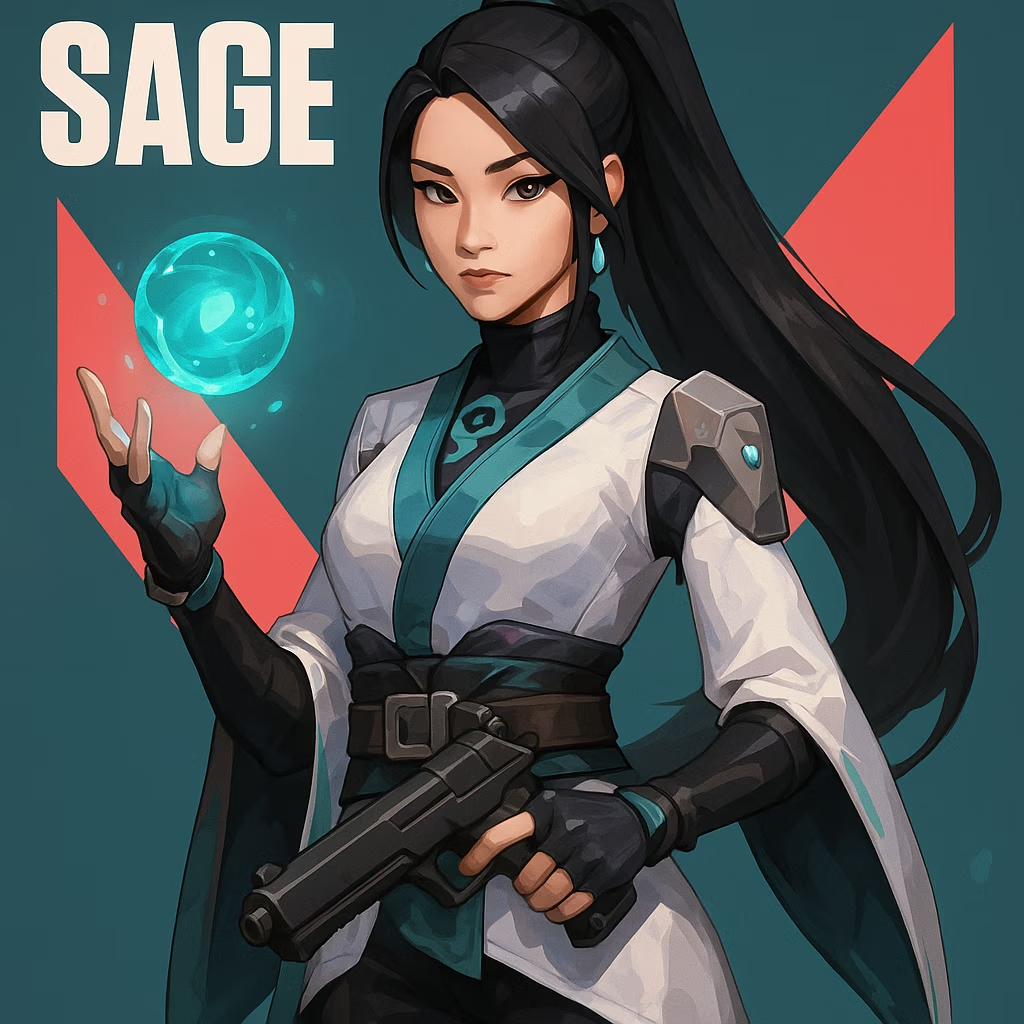
The Console Prototype: A Cautious Exploration
In a revealing conversation, Anna Donlan, the executive producer of Valorant, shed light on the team's approach to bringing the game to consoles. She confirmed that the development team had been actively prototyping the title for console hardware. However, she was careful to temper expectations, emphasizing that this prototyping phase did not guarantee a definitive console launch in the future. The primary concern, as Donlan elaborated, was preserving the unique essence of the Valorant experience. The team believed there was a specific, refined way to play and engage with the game, and any console translation would need to capture that feeling completely. If they could successfully adapt that distinct tactical and precise gameplay to a controller setup, they "absolutely will" pursue a launch on platforms beyond PC. Notably, she clarified that from the project's inception, console development was not the central focus; the priority was crafting a definitive PC shooter first and foremost. This thoughtful, player-experience-first philosophy has guided the project's direction.
Evolving Gameplay: Agents, Arsenal, and Tactical Depth
Since its debut, Valorant has seen substantial growth and evolution. Players initially experienced the Ignition episode, building upon the foundations laid during an extensive closed beta period. The game distinguishes itself through its roster of unique agents, each equipped with a personalized set of special abilities that define strategic play. This system creates a dynamic battlefield where information gathering, area denial, and supportive utility are as crucial as sharp aim. The tactical shooter's core mechanics are often described as a skillful blend of the precise, economy-based gunplay reminiscent of classic titles like Counter-Strike and the ability-driven, team-oriented strategies found in games like Rainbow Six Siege. While an agent's abilities are pivotal for creating opportunities and controlling space, the arsenal of weapons remains universally accessible. Regardless of the hero selected, every player has access to a diverse armory, from precise rifles and powerful snipers to close-quarters shotguns and sidearms, ensuring that foundational shooting skill is always a key determinant of success. This combination has fostered a deeply competitive and watchable esports scene.
A Meteoric Rise: Breaking Records and Capturing Audiences
The journey to becoming a household name in tactical shooters was accelerated by a masterful marketing and community-building strategy. Riot Games partnered with the streaming platform Twitch to distribute closed beta access codes to viewers, effectively turning popular streamers into gateways for eager players. This innovative approach catalyzed an unprecedented surge in viewership. The title spectacularly shattered Twitch's record for the most hours watched in a single day, a testament to its immediate gripping appeal. Furthermore, by the end of its early promotional period, the game had amassed a staggering 334 million hours of total watch time. This phenomenal early engagement demonstrated not just hype, but a sustained interest in the game's strategic depth and high-stakes competition, laying a robust foundation for its enduring player base and esports ecosystem years later.
Key Features That Define Valorant:
-
Diverse Agent Roster: A selection of characters, each with unique tactical abilities for offense, defense, support, and recon.
-
Precision-Based Gunplay: A weapon system that rewards skillful aim, recoil control, and strategic economic management.
-
Tactical Gameplay Loop: Round-based objectives focusing on planting or defusing a spike, demanding teamwork and adaptive strategies.
-
Free-to-Play Model: Accessible entry point supported by cosmetic-only monetization.
-
Strong Anti-Cheat Foundation: A dedicated system (Vanguard) designed to preserve competitive integrity.
| Aspect | Description |
|---|---|
| Core Inspiration | Blends CS:GO's gunplay with hero-shooter abilities. |
| Primary Platform | Originally launched and optimized for PC. |
| Development Philosophy | Experience integrity is paramount for any potential port. |
| Community Growth | Leveraged streamer partnerships for record-breaking visibility. |
| Current Status (2026) | A solidified esports titan with a continually evolving meta. |
Looking ahead, the conversation around Valorant continues to focus on its polished core experience and potential horizons. While the dream of a console version lingers, dependent on achieving that flawless translation of feel, the game's legacy on PC is already firmly established. It stands as a prime example of how thoughtful design, clear creative vision, and innovative community engagement can launch a new franchise into the stratosphere of competitive gaming. 🎯 Its influence on the genre is undeniable, pushing other developers to consider deeper tactical layers and character-driven dynamics within the framework of a precise shooter. The team's patient, quality-first approach to any platform expansion reflects their commitment to the game's identity, ensuring that whenever or wherever players engage with Valorant, they receive the same intense, strategic thrill that defined its rise.