When Riot Games introduced Vyse as Valorant’s 25th agent, the pitch was clear: a Sentinel and Initiator hybrid who turns site geometry into a trap. In 2026, that pitch still explains why Vyse matters. Her wall, barbed wire, and flash utility are designed to slow, damage, and blind enemies before they can contest a site. But the release-day conversation kept circling the wrong ability. Steel Garden, her Ultimate, looked like the headline-stealer. The real problem was Arc Rose.
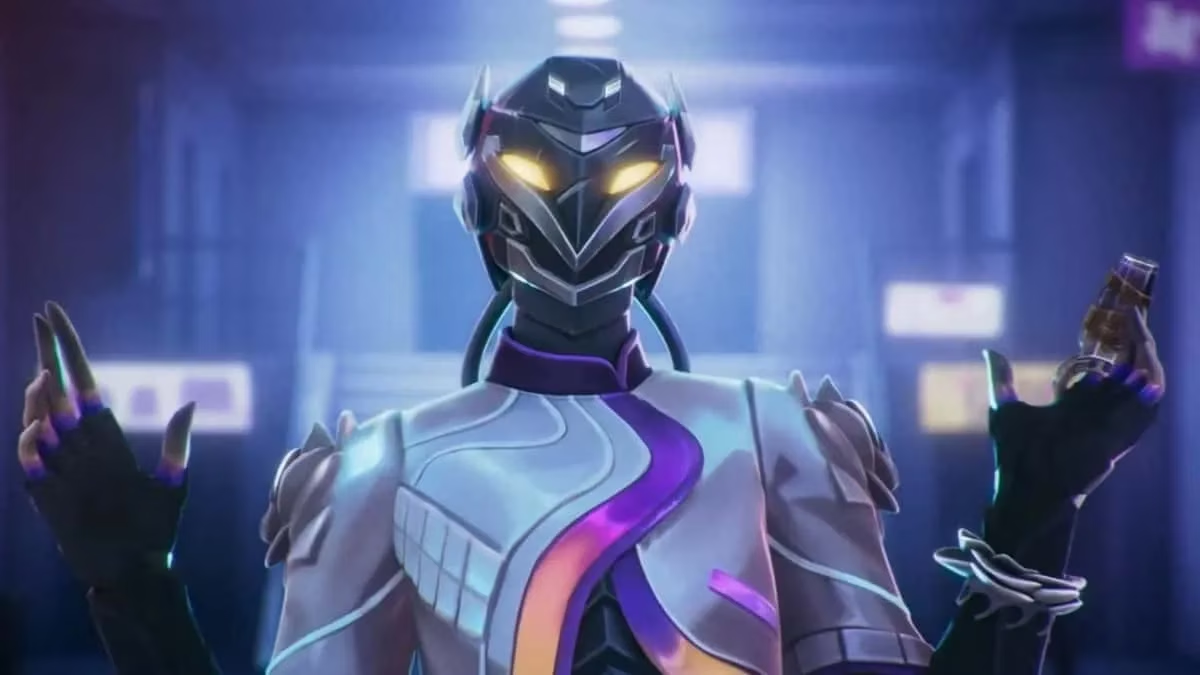
Vyse’s kit is built around preparation. Shear and Razorvine create traps that slow and damage enemies. Steel Garden jams enemy primary weapons, forcing them to switch to pistols if they want to shoot back. On paper, that Ultimate is terrifying. It can flip a round and produce highlight clips of players dying with pistols in hand. Yet Ultimates are not always available. They are earned, spent, and managed. Arc Rose is different.
Arc Rose is a flash that Vyse can attach to walls or place through walls and activate on command. It is the first flash given to a Sentinel, and that detail matters. Trap setups are already powerful in Valorant; players will tell you that Cypher and Killjoy stay in the meta because their utility controls space without requiring constant gunfights. Vyse continues that mold, but she adds a blinding tool that lets her disrupt pushes much more aggressively. Let’s be honest: a pre-placed flash on a Sentinel is a different beast from a flash that must be thrown on the fly.
The ability’s hidden advantage is its invisibility once placed. According to the original reveal, Arc Rose cannot be destroyed before it goes off. That means enemies cannot simply shoot the utility and reset the angle. They must respect the space, or they must walk into a trap while blind. Combine Arc Rose with Shear and Razorvine, and the result is a setup where enemies are trapped, slowed, damaged, and blinded. Good luck shooting back while blind and tangled.
This is why Arc Rose, not Steel Garden, is the oppressive part of Vyse’s kit. Her other utility can trap enemies, but trapped players can still fire back and potentially earn a kill. The flash removes that counterplay. It is the straw that breaks the camel’s back for her power level. The rest of her kit looks balanced in isolation; Arc Rose makes her feel impossible to counter. It is available every round, it is invisible once placed, and it can be activated at the right moment. Those three traits turn a Sentinel’s trap into a coordinated execution tool.
| Ability | Role | Why it matters |
|---|---|---|
| Shear | Trap | Slows and damages enemies who push into Vyse’s setup. |
| Razorvine | Trap | Adds another layer of area denial and punishment. |
| Arc Rose | Flash | Pre-placed, invisible, and activatable on command; the core problem. |
| Steel Garden | Ultimate | Jams primary weapons, but is limited by Ultimate economy. |
In 2026, the lesson is still relevant. Valorant’s meta has shifted, but the design principle has not: a Sentinel with a reliable flash is not just a trap specialist; she is a site-control monster. Riot initially kept exact numbers under wraps, and the community immediately called for nerfs. Whether or not patches have touched her since, the original release debate left a clear verdict. Steel Garden is flashy. Arc Rose is the ability that changes how players approach a site. It forces attackers to clear utility they cannot see, respect angles they cannot trade, and push into a trap they cannot easily punish. That is not just strong utility. That is a headache waiting to happen every single round. 😵💫